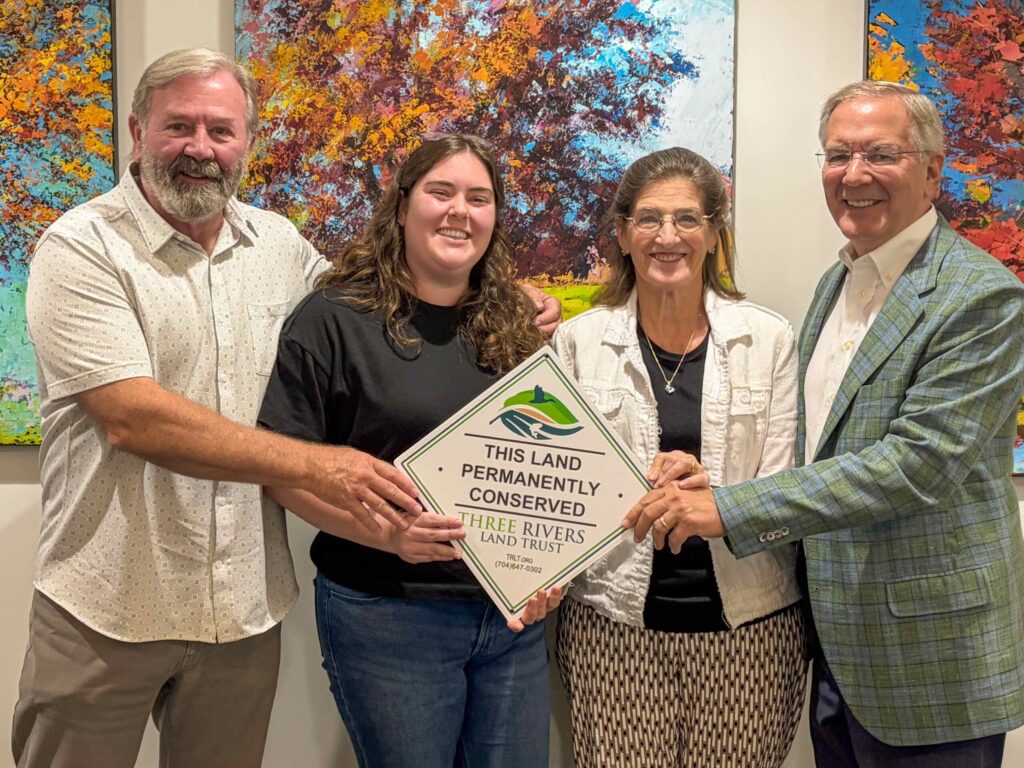
Along the shoreline of the Cape Fear River, near Raven Rock State Park, 225 acres of land in Harnett County will remain undeveloped and permanently conserved thanks to the landowners, the NC Land and Water Fund, and Three Rivers Land Trust (TRLT). “This project was important to conserve for several different reasons: for improved water quality of the Cape Fear River, for the property’s visual proximity to Raven Rock State Park, and to help balance the scales of development due to the area’s continued rapid growth,” states Emily Calicutt, TRLT Director of Conservation.
Across the Cape Fear River lies Raven Rock State Park, a nearly 5,000-acre park known for its scenic cliffs, forests, and recreational opportunities. This park draws visitors from the rapidly developing Triangle every weekend. Conserving land adjacent to protected land creates important natural buffers that maintain the park’s scenic character while reducing habitat fragmentation and expanding connected wildlife corridors.
“Our families are delighted to be able to place 225 acres along the Cape Fear River into a permanent conservation easement that will protect the land across from Raven Rock State Park and the water flowing down the Cape Fear River. We initially purchased this land as a place to hike, swim, boat, and hunt with our families and friends. The idea of conserving it permanently came from discussions with Three Rivers Land Trust. It is our hope that others with land along the Cape Fear will do the same so there will be expanses of forest land for future generations to enjoy,” said landowners John Linderman and Mary & Jack Clayton in a joint statement.
Across the central Piedmont and Sandhills of North Carolina, the familiar rural landscapes that make this region so special are quickly being lost to development. It is estimated that North Carolina loses 55 acres of farmland every day, and that loss is driven by low-density residential development, according to the North Carolina Cooperative Extension Office. To help prevent the loss of more family farms, Three Rivers Land Trust has been awarded $11 million from state and federal government partners to help permanently conserve over 1,500 acres of agricultural lands.
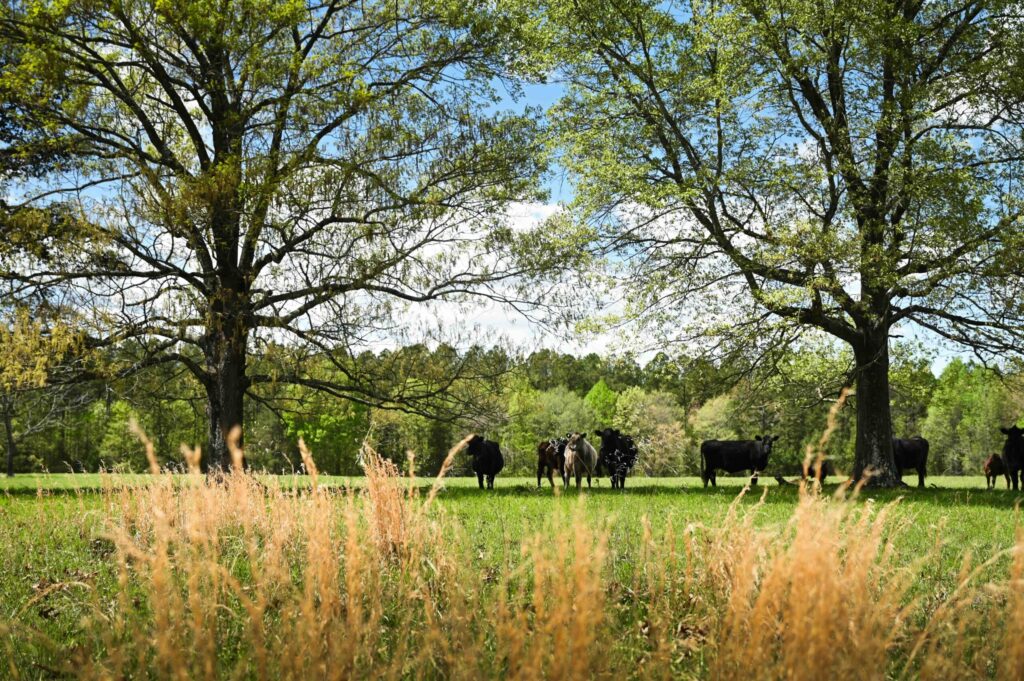
Across the central Piedmont and Sandhills of North Carolina, the familiar rural landscapes that make this region so special are quickly being lost to development. It is estimated that North Carolina loses 55 acres of farmland every day, and that loss is driven by low-density residential development, according to the North Carolina Cooperative Extension Office. To help prevent the loss of more family farms, Three Rivers Land Trust has been awarded $11 million from state and federal government partners to help permanently conserve over 1,500 acres of agricultural lands.
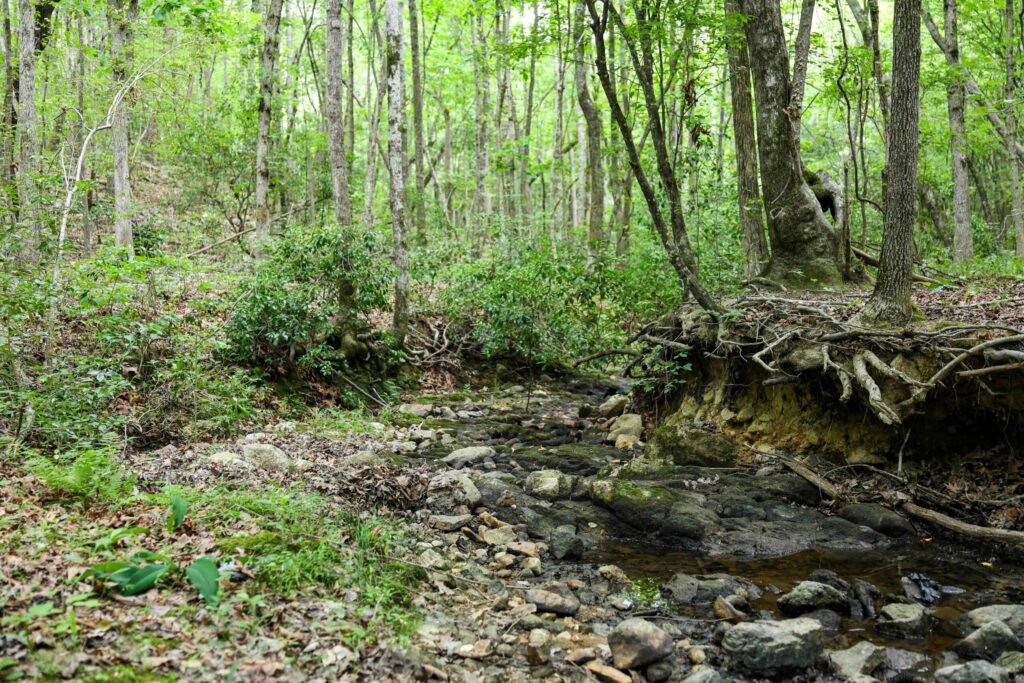
A privately owned tract bordering the Uwharrie National Forest, less than a mile from the Uwharrie Trail, will remain undeveloped forever thanks to a donated conservation easement completed by Three Rivers Land Trust (TRLT). The 82-acre property contains mature hardwood forests and Cedar Creek, a tributary of the Uwharrie River.
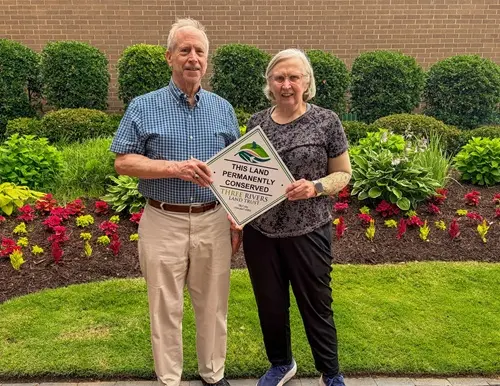
As development pressures grow in Moore County, landowners Ryan and Brittany Paschal, in partnership with Three Rivers Land Trust, have permanently conserved 88 acres of family land near the Deep River. Because these landowners have chosen conservation over development, this property will always look the same, with open fields and forests, allowing future generations the opportunity to connect with nature, as their family does today.
“We are honored to share that our 88-acre property in Glendon has been placed under a conservation easement with Three Rivers Land Trust. This land is deeply meaningful to our family, having been owned by members of the Paschal and Street families for generations. Ryan’s family roots in the Glendon area stretch back hundreds of years, and this place has long been a part of our shared history. For us, conserving this property is about protecting open space, preserving natural habitats, and ensuring the land remains in its natural state for our children and grandchildren. We are grateful to Three Rivers Land Trust for helping us steward this special place so it can remain untouched and appreciated for generations to come,” said Brittany Paschal.
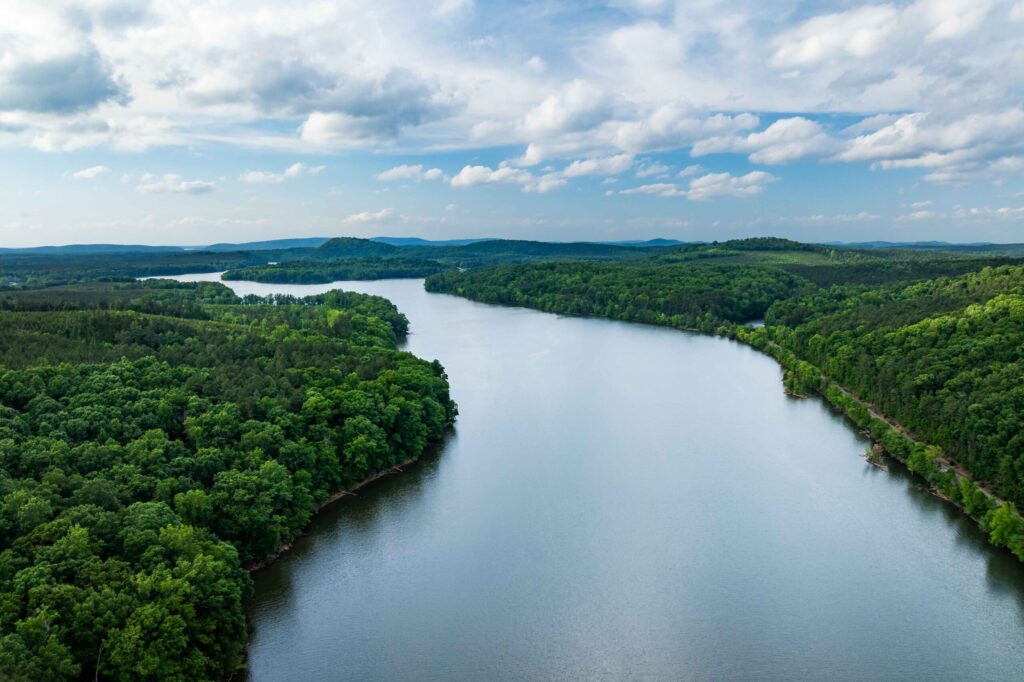
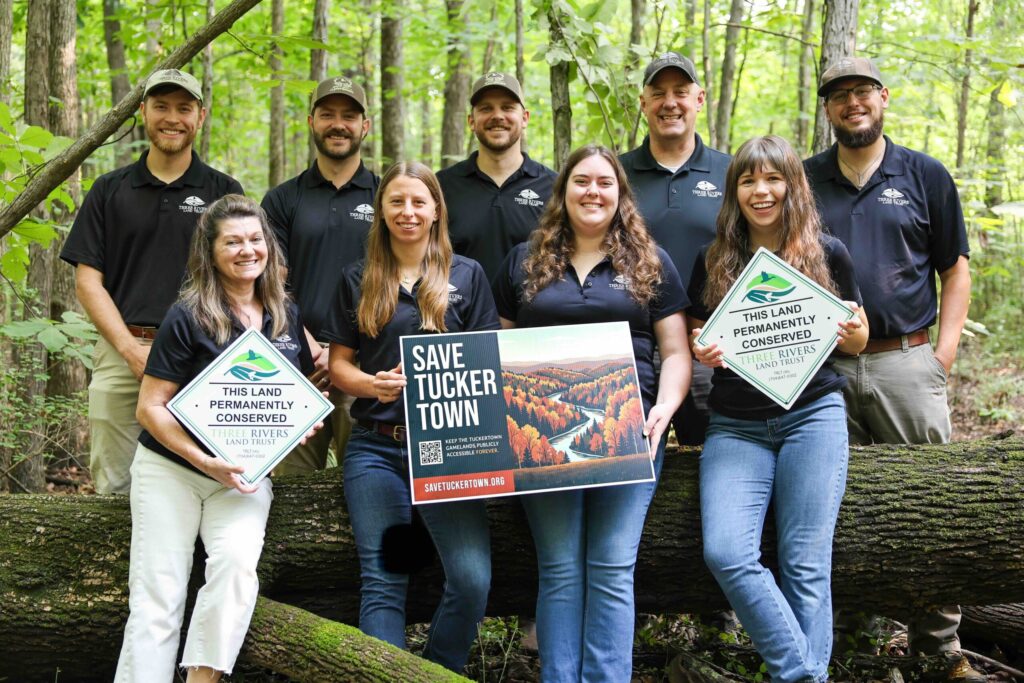
The North Carolina Wildlife Habitat Foundation (NCWHF) has joined Three Rivers Land Trust in the effort to Save Tuckertown, nearly 4,000-acres of vital wildlife habitat situated along the Yadkin River in Davidson, Montgomery, Rowan, and Stanly counties.
The NCWHF is contributing $40,000 toward the purchase of the highest-priority tract as determined by the North Carolina Wildlife Resources Commission.
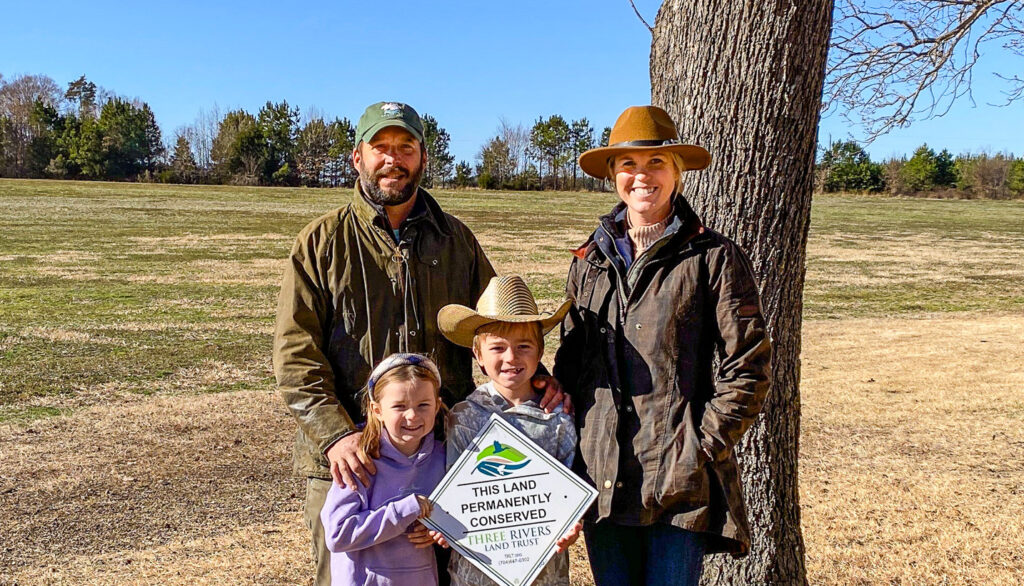
As development pressures grow in Moore County, landowners Ryan and Brittany Paschal, in partnership with Three Rivers Land Trust, have permanently conserved 88 acres of family land near the Deep River. Because these landowners have chosen conservation over development, this property will always look the same, with open fields and forests, allowing future generations the opportunity to connect with nature, as their family does today.
“We are honored to share that our 88-acre property in Glendon has been placed under a conservation easement with Three Rivers Land Trust. This land is deeply meaningful to our family, having been owned by members of the Paschal and Street families for generations. Ryan’s family roots in the Glendon area stretch back hundreds of years, and this place has long been a part of our shared history. For us, conserving this property is about protecting open space, preserving natural habitats, and ensuring the land remains in its natural state for our children and grandchildren. We are grateful to Three Rivers Land Trust for helping us steward this special place so it can remain untouched and appreciated for generations to come,” said Brittany Paschal.
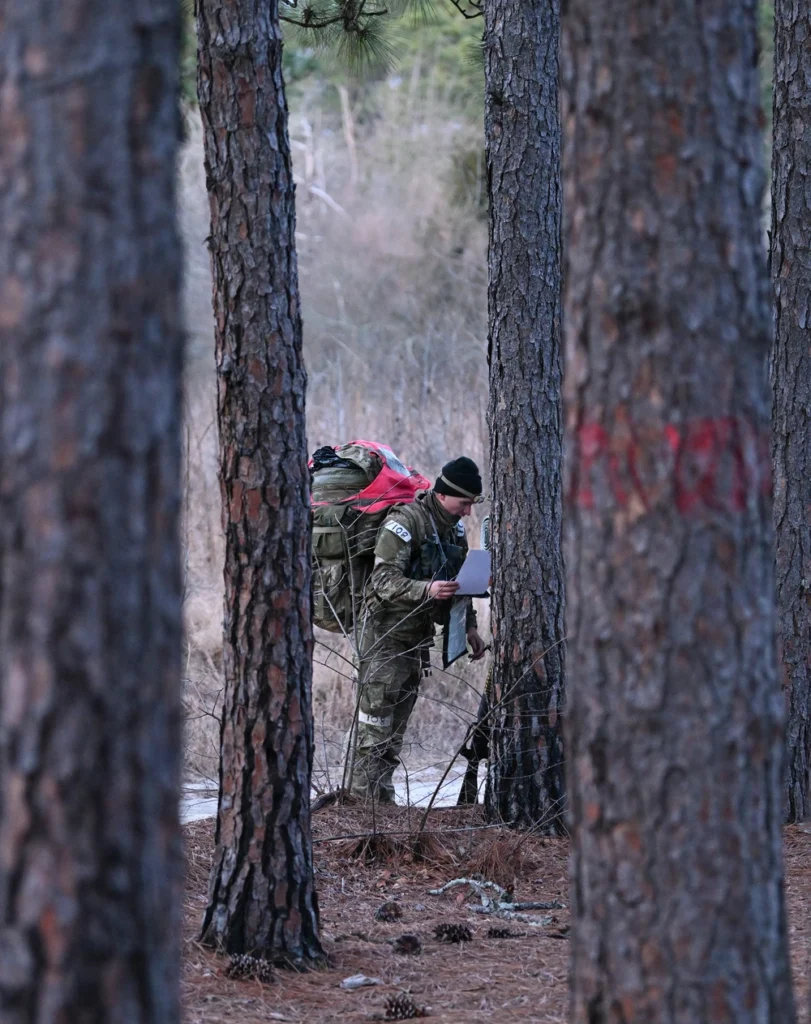
The temperature is 35 degrees, and a steady rain is coming down as Special Forces candidates begin their night land navigation course at Camp Mackall, North Carolina. Each candidate will be moving throughout the night from point to point with a heavy rucksack, made even heavier by the falling rain. Land navigation, long movements, and inclement weather are just some of the hallmarks of the Special Forces Assessment and Selection program that takes place at Camp Mackall. This long-standing process is fundamental in selecting candidates who have the right attributes to become a Special Forces soldier.
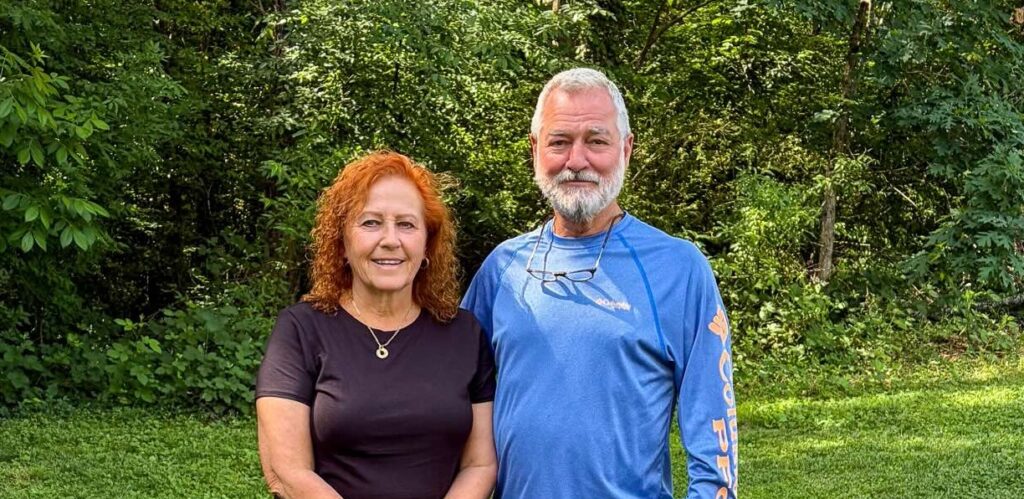
As growth continues across Davidson County, the opportunity to conserve meaningful pieces of
land becomes increasingly important. David and Terry Craver have chosen to do just that,
working with Three Rivers Land Trust (TRLT) to permanently conserve over 52 acres of their
family property.
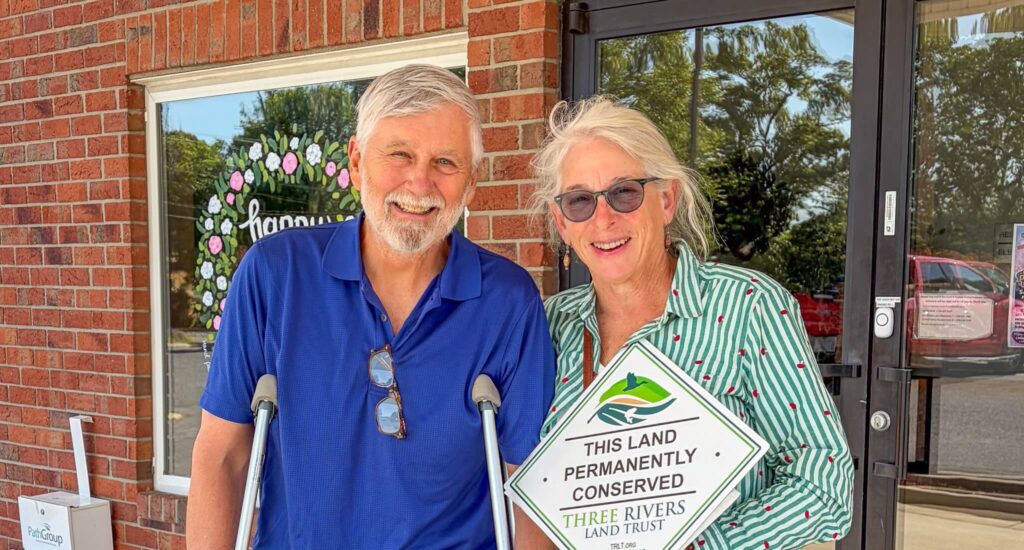
One Moore County landowner has made a lasting commitment to conservation. In partnership with Three Rivers Land Trust, a 43-acre farm is now permanently conserved, ensuring it continues to support agriculture for generations to come. The farm produces sheep, goats, and chickens—an increasingly rare combination in North Carolina. Less than 4 percent of farms across the state raise sheep and goats, and that number is declining. Between 2017 and 2022, sheep and goat farms decreased by 25 percent, leaving approximately 1,500 remaining statewide. If this trend continues, fewer than 1,000 could remain by 2030.